Bridging Learning Levels with AI Simulations
One of the most exciting aspects of AI-driven chatbot simulations is their adaptability. Unlike static case studies or rigid role-play exercises, chatbots can flex to meet learners at any stage — from introductory courses to advanced professional training.
This flexibility means educators can design learning experiences that are just the right level of challenging. By adjusting the complexity, they can help students apply theory in a safe, interactive environment that mirrors real-world problem-solving.
The key to success lies in scaling complexity — starting simple, then layering in nuance, ambiguity, and data-driven realism over time.
The Five Levels of Complexity in Chatbot Simulations
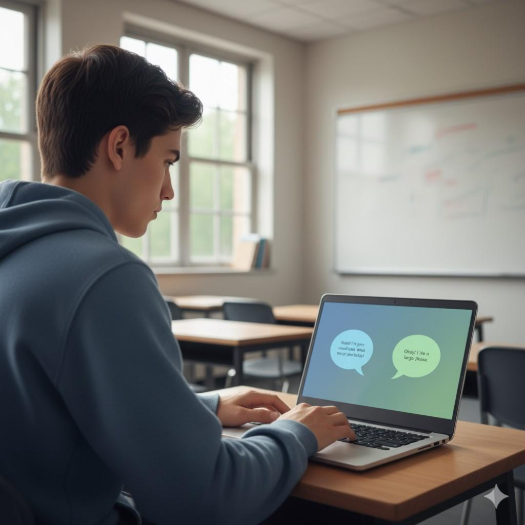
Level 1: Single Role, Single Scenario
Start small. A basic simulation might involve one chatbot persona and a straightforward task — for example, interviewing a virtual patient or presenting an idea to a client.
Level 2: Multi-Role or Role Switching
Next, introduce multiple perspectives. Students might alternate roles or interact with several chatbots representing different viewpoints. This builds empathy, adaptability, and communication skills.
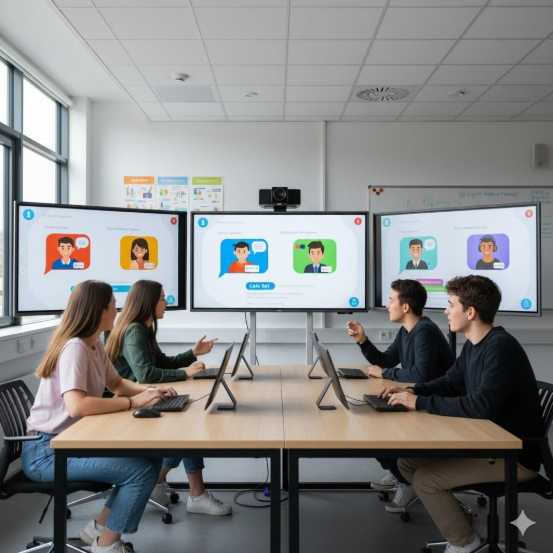
Level 3: Multi-Role, Multi-Scenario
At this stage, the simulation expands into a branching narrative. Student decisions lead to new situations and varied outcomes, making each interaction unique and meaningful.
Level 4: Data-Driven Adaptive Simulation
Here, realism takes center stage. Chatbots use real or fixed datasets — such as market reports or clinical information — prompting students to analyze and respond to data.

Level 5: Immersive, Systems-Level Simulation
The highest level involves an evolving, multi-week simulation where previous choices affect future results. Students must integrate communication, leadership, and critical thinking as the scenario unfolds.

Why Scaling Complexity Matters
Not all students are ready for the same level of challenge. Introductory learners benefit from clear structure and low-pressure practice, while advanced learners thrive on complexity and open-ended decision-making.
AI simulations allow both groups to learn effectively—sometimes even side by side—because difficulty can adjust dynamically.
Scaling ensures that learning remains accessible yet ambitious. Students begin with confidence-building exercises, then gradually advance to more sophisticated challenges that test reasoning, collaboration, and problem-solving skills.
Example: Scaling in a Graduate Business Course
Imagine a graduate-level business strategy course.
- Early in the term: Students use a chatbot to practice persuasive communication with a virtual client.
- Midway through: The chatbot begins referencing real market data and introducing multiple stakeholders.
- By the end: Students engage in a semester-long, systems-level negotiation simulation, culminating in a capstone presentation where prior decisions shape the final outcome.
Each stage builds on the one before it — developing communication, critical thinking, and data literacy in a cohesive, experiential way.

Takeaway for Educators
Scaling complexity isn’t about making simulations harder — it’s about making them smarter.
By layering challenges gradually, educators can meet students where they are, foster deep learning, and ensure growth across their academic journey.
When thoughtfully designed, chatbot simulations become a bridge between theory and practice — preparing students to navigate real-world challenges with confidence, curiosity, and skill.
For media inquiries or interviews, please contact the CAI Communications Team via the Contact Page.