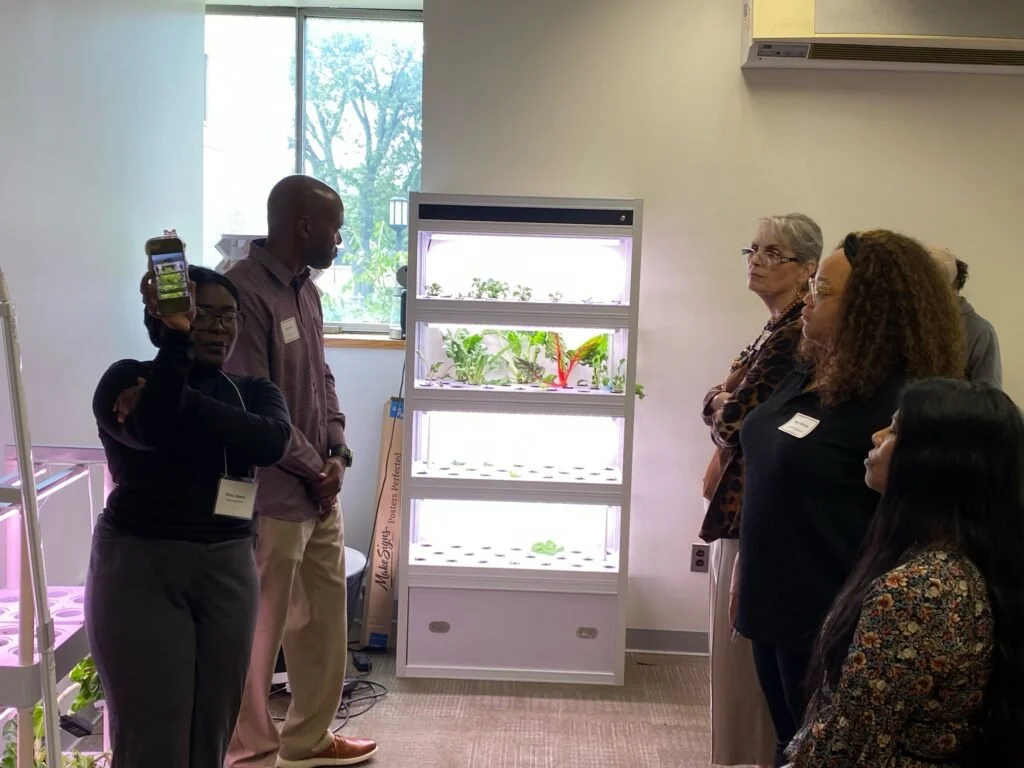
Aeroponics Lab

Aeroponics Training & Urban Farming Entrepreneurship Program

Overview

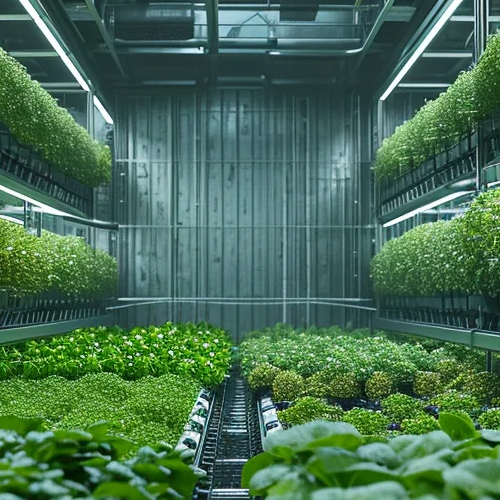
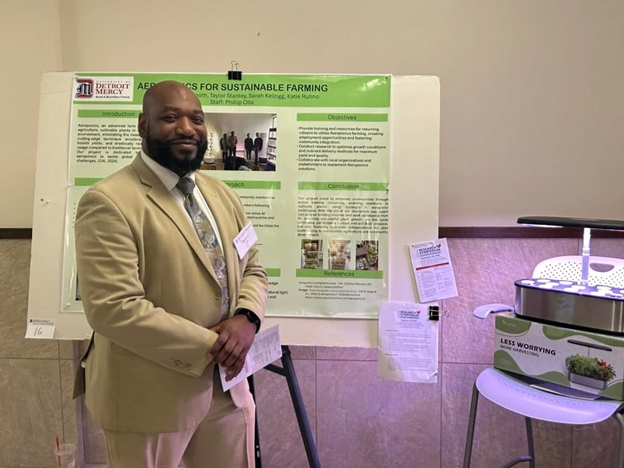
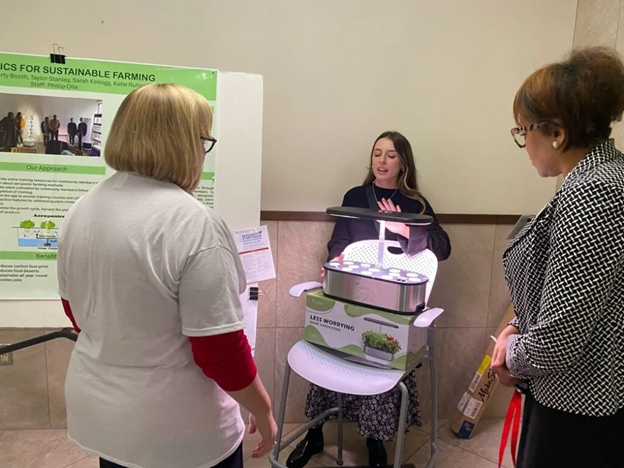
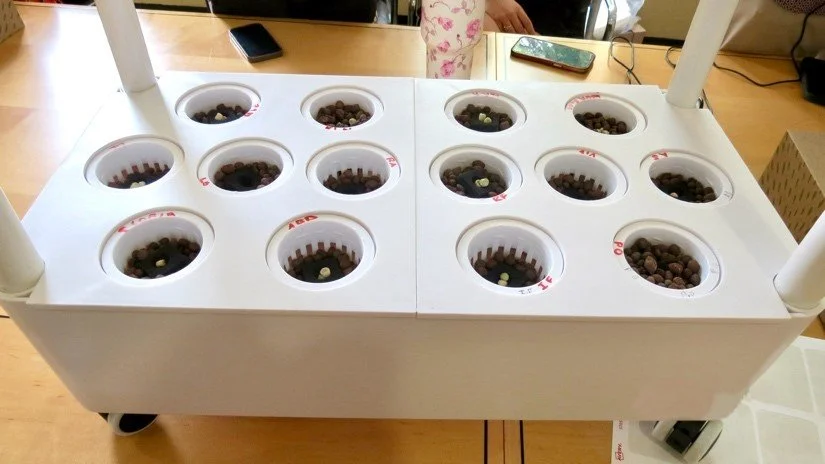
The Aeroponics Training & Urban Farming Entrepreneurship Program empowers Detroit residents—especially unemployed and under-employed community members—to gain future-ready skills in sustainable food production. Using cutting-edge aeroponics technology, participants learn how to grow high-value produce with minimal space, water, or soil. The program goes beyond farming: it creates real economic opportunities by preparing participants to become small-scale growers, entrepreneurs, and contributors to Detroit’s growing green economy. 

Graduates will be eligible for special equipment loans and grants, gain access to a built-in online marketplace to sell their produce, and explore additional income paths such as logistics, delivery, and community distribution. This initiative was designed to strengthen food security, expand local agriculture, and create pathways to living-wage entrepreneurship for Detroit families. 

Key initiatives under the Breath Lab include establishing baseline VOC profiles through athlete monitoring, piloting breath-based diabetes screening in dental clinics, and launching community-based health monitoring tools. Technologies like the HydraBreath and BreathLogix are also being developed to enhance the accuracy and usability of breath sample collection devices. These projects are united by a commitment to turning exhaled breath into a practical, data-rich source of health insight. 

Looking ahead, the Breath Lab is creating a centralized VOC database that will integrate AI for real-time analysis and personalized feedback, and pursue partnerships with sports, dental, and wellness organizations. The lab’s long-term vision is to redefine how we detect and manage health conditions—making breath a vital sign for the future of preventive and personalized care. 

Key Features

  • New Aeroponics Training Course: A hands-on, community-focused course that teaches participants how to build, operate, and manage aeroponic systems for personal use or business development. 
  • Entrepreneurship Skills Development: Training covers pricing, marketing, customer relationships, and business planning for micro-farm operations. 
  • Equipment Starter Pathway: Eligible graduates can secure equipment loans or grants to begin production immediately after completing the program. 
  • Integrated Online Marketplace: A digital storefront where community growers can list, promote, and sell fresh produce to local consumers. 
  • Distribution & Logistics Network: Participants can explore roles and partnerships within a coordinated distribution system supporting Detroit’s urban farm ecosystem. 
  • Community Engagement & Support: Access to instructors, mentors, and peer growers to ensure long-term success and shared learning. 

Benefits

  • Pathway to Living-Wage Entrepreneurship: Participants gain the skills to operate their own micro-farms and earn income through produce sales and related services. 
  • Access to Capital: Graduates can apply for equipment loans and grants to launch or expand their aeroponics business. 
  • Online Sales Marketplace: Growers are connected directly to buyers—including residents, restaurants, and retailers—through a dedicated online platform. 
  • Job Creation Beyond Farming: Opportunities extend into logistics, delivery, distribution, and supply-chain support roles within Detroit’s local food ecosystem. 
  • Improved Community Food Security: Locally grown produce reduces reliance on expensive imports and strengthens neighborhood-level access to healthy foods. 
  • Sustainable Urban Agriculture: Aeroponics uses up to 90% less water, requires no soil, and thrives in small indoor spaces—ideal for Detroit’s urban landscape. 
  • For researchers: Rapid literature synthesis, easier hypothesis generation, and a single place to explore VOC–disease relationships across multiple sources. 
  • For clinicians / trainees: Clear, jargon-controlled explanations of what breath VOC data can and cannot support; better understanding of emerging diagnostics. 
  • For device / product teams (e.g., HydraBreath): Faster iteration on candidate VOC panels, clearer documentation of why specific compounds are included, and transparent links back to the evidence base. 
  • For students: Guided, citation-backed explanations that can be used for assignments, journal clubs, and methods training. 

" The workshop not only provided valuable skills but also inspired a deeper understanding of the vital role sustainable practices play in shaping the future of agriculture."