
CAI | Center for Augmenting Intelligence in Urban Health
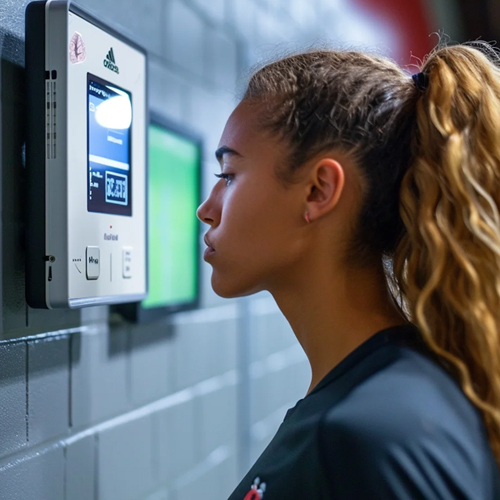
The Breath Lab is a research and innovation hub focused on advancing the science of breathomics—using exhaled volatile organic compounds (VOCs) to monitor health, wellness, and performance. It serves as an umbrella for a series of integrated projects targeting disease detection, athletic performance optimization, and public health equity, all through non-invasive breath analysis. The lab was launched to address the growing need for portable, real-time diagnostics that are accessible, affordable, and grounded in rigorous research.
Key initiatives under the Breath Lab include establishing baseline VOC profiles through athlete monitoring, piloting breath-based diabetes screening in dental clinics, and launching community-based health monitoring tools. Technologies like the HydraBreath and BreathLogix are also being developed to enhance the accuracy and usability of breath sample collection devices. These projects are united by a commitment to turning exhaled breath into a practical, data-rich source of health insight.
Looking ahead, the Breath Lab is creating a centralized VOC database that will integrate AI for real-time analysis and personalized feedback, and pursue partnerships with sports, dental, and wellness organizations. The lab’s long-term vision is to redefine how we detect and manage health conditions—making breath a vital sign for the future of preventive and personalized care.
BreathDB Navigator is an AI-powered interface built to make breathomics data actually usable. Instead of manually searching scattered papers, databases, and supplementary tables, users can ask natural language questions and receive evidence-based summaries, tables, and study links drawn from curated sources such as human breath VOC databases, VOC biomarker repositories, clinical breathomics datasets, and human volatilome reviews.
The assistant is optimized for compound-centric, disease-centric, and study-design questions. Users can, for example, explore all breath VOCs associated with COPD, examine how a specific compound behaves across diseases, or identify which GC-MS studies report standardized sampling protocols. For biomarker and device teams, BreathDB Navigator can also propose candidate VOC panels for screening, monitoring, or wellness applications, clearly labeled as hypothesis-generating rather than clinically validated.
" put a quote here"




Research
VOC breath analysis of athlete
1/2024 - 12/2025