
Rethinking How Students Engage with AI
Not every student learns the same way. Some process information best through writing, others through speaking or visual interaction. While traditional text-based simulations have long been valuable tools, they only reach part of the learning spectrum.
Today’s technology allows educators to move beyond text and design multimodal chatbot simulations—interactive learning experiences that students can access through text, voice, or avatars.
This shift doesn’t just make learning more engaging; it also promotes accessibility and inclusion, ensuring that every learner can connect with material in the way that works best for them.
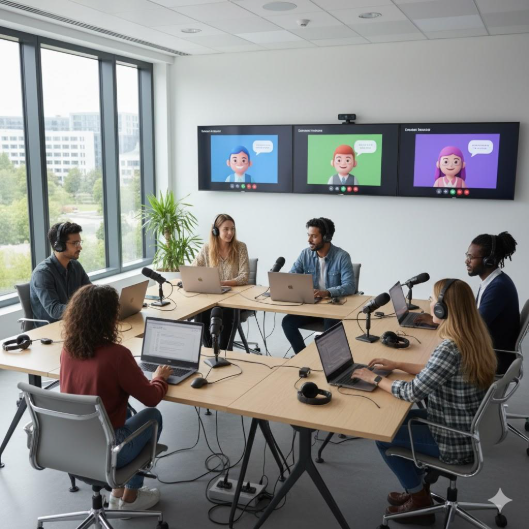
Three Modalities That Transform Learning
1. Text-Based Interactions
Students type and read responses from the chatbot, focusing on written communication and critical thinking. This format supports learners who prefer time to reflect before responding.
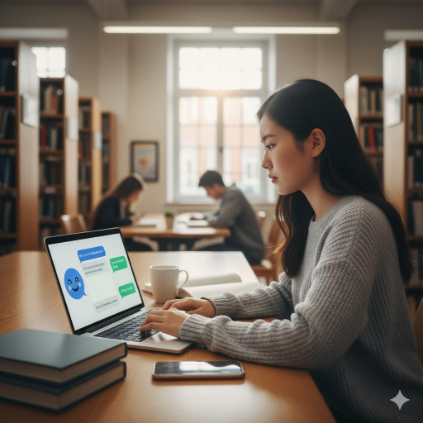
2. Voice-Based Conversations
In this format, students speak directly to the chatbot, allowing them to practice tone, active listening, and real-time dialogue skills. It’s particularly useful in fields like counseling, nursing, business communication, and leadership.
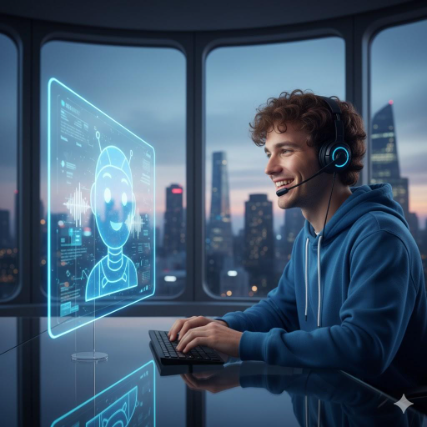
3. Avatar-Based Interfaces
The most immersive option involves a visual avatar capable of gestures, facial expressions, and body language. Students interact in a more human-like exchange, deepening empathy and realism.
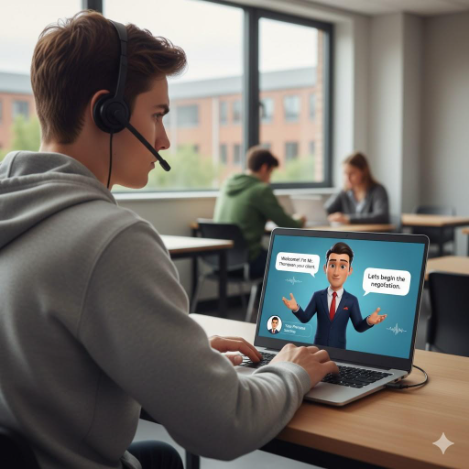
Each of these modalities enhances engagement, and together they form a flexible framework that supports all types of learners.
Why Accessibility Matters
Accessibility is about more than convenience—it’s about creating equitable learning experiences.
When chatbot simulations are embedded directly into the Learning Management System (LMS), students can participate without juggling multiple logins or confusing external tools.
More importantly, multimodality supports universal design for learning (UDL) principles. Students with visual, auditory, or processing differences can choose the format that aligns with their strengths.
- A student with limited vision can engage through voice-based interaction.
- A student with a speech impairment may prefer text-based communication.
- A visual learner might thrive through avatar-based role play.
When accessibility is prioritized, participation increases—and so does the quality of learning.
Internal link idea: Learn how AI simulations bridge theory and practice →
A Practical Example in Action
Imagine a communications course focused on conflict resolution. Students are given three options to complete their simulation:
- Text Chat: Writing out responses to a chatbot simulating a workplace disagreement.
- Voice Conversation: Talking through the same scenario in real time, practicing tone and pacing.
- Avatar Dialogue: Using an avatar simulation that conveys emotion through expressions and gestures.
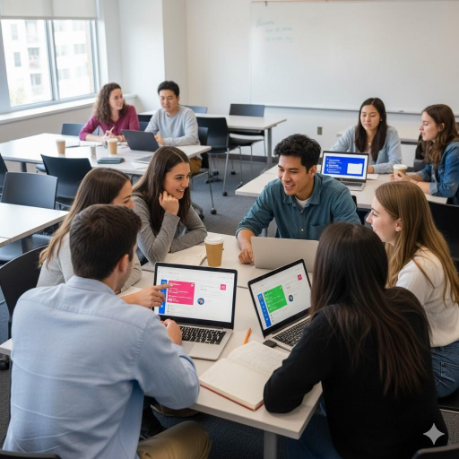
After completing their chosen format, students come together to compare experiences. Those who used text note how tone can be misinterpreted, while voice users reflect on spontaneity and emotional nuance. The discussion becomes an eye-opening exercise in understanding communication across mediums.
Takeaway for Educators
The future of AI in education is multimodal. By expanding simulations beyond text to include voice and avatars, educators can make learning experiences more inclusive, realistic, and engaging.
When designed thoughtfully, these simulations do more than engage students—they remove barriers, create equitable access, and prepare learners for the diverse communication styles they’ll encounter in real life.
Chatbot simulations are no longer an add-on—they’re becoming a core element of student-centered, accessible education.
For media inquiries or interviews, please contact the CAI Communications Team via the Contact Page.